If you are searching for window films in Toronto or the GTA, you are not just browsing. Most people land here because something feels off inside their space. Rooms get too hot in July. Sun glare hits screens all afternoon. People walking by can see right in. Or heating and cooling bills keep creeping up.
Window films are one of the most searched window upgrades in Toronto right now. Homeowners, retail shops, offices, and clinics all ask the same thing.
How do window films work, and how much do they really cost to install?
The price is not one flat number. Window films behave different based on glass type, building age, and how the space is used. Once you see how window films work in real Toronto buildings, the pricing starts to feel more clear.
This guide explains what window films are, how installation costs work, and what pushes prices up or keeps them lower across Toronto and the GTA.
If you want a full starting point, this overview on window films explains the basics and the main film types used in homes and businesses.
What Are Window Films and Why People Install Them
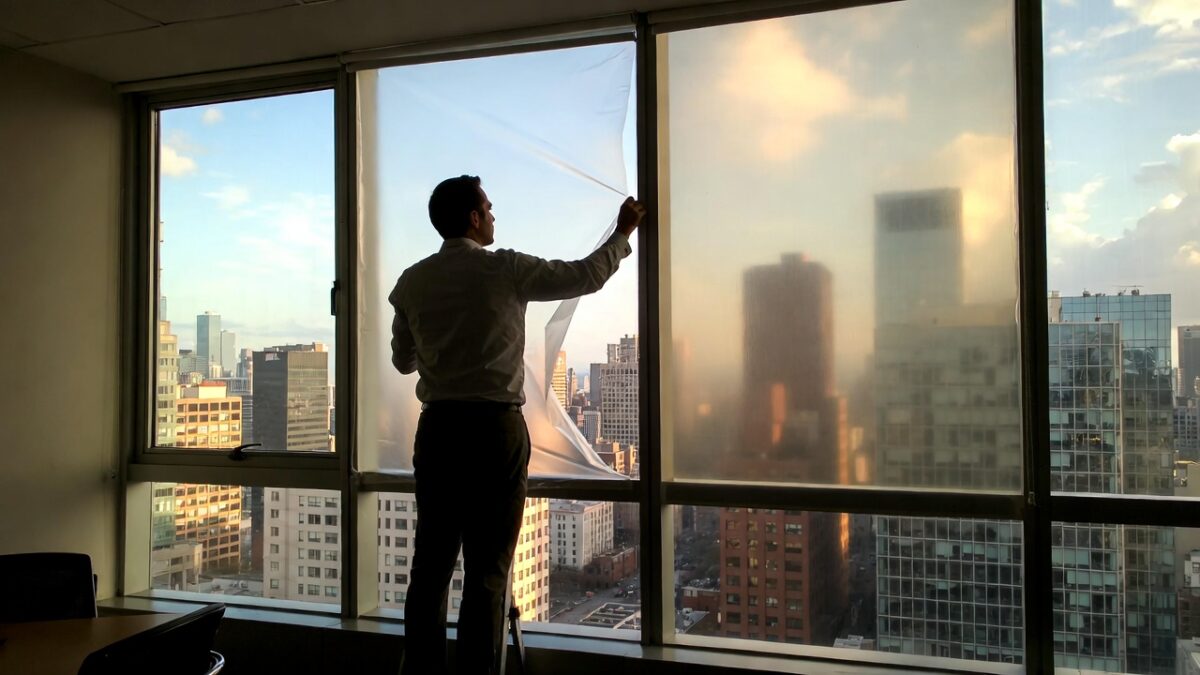
Window films are thin layers applied to glass. They change how glass handles heat, light, UV rays, privacy, or impact. Some films focus on one job. Others do a few things at once.
In Toronto, window films are often used to fix:
- Heat buildup during summer
- UV damage to floors and furniture
- Screen glare in offices and homes
- Lack of privacy near sidewalks
- Safety concerns when glass breaks
Many people think the price is just for the film. That is not how professional window film installs work.
Most pricing includes measuring the glass, cleaning and prep, skilled install work, and warranty coverage. The film roll is only one piece of the job.
How Much Do Window Films Cost to Install in Toronto?
Window film installation in Toronto and the GTA is usually priced by square footage. The final cost depends on film type and how easy the glass is to access.
Common price ranges look like this:
- Solar or privacy window films: $6 to $12 per square foot
- Decorative or frosted window films: $8 to $14 per square foot
- Security window films: $10 per square foot and up
These are average ranges. A small job with simple access can land near the low end. Tall glass, tight spaces, or strict condo rules push pricing higher.
This guide on window film installation costs breaks down how square footage, labour, and film choice affect the quote.
Why Window Film Pricing Changes Across Toronto and the GTA
People often compare Toronto quotes with prices they see online and feel confused. Most online pricing is not based on dense cities or older buildings.
Local factors that affect window film pricing include:
- Older double-pane glass in many GTA homes
- Condo rules for elevator bookings and time slots
- Winter installs that take longer in cold temps
- Limited parking and loading downtown
A detached home in Markham and a condo near King and Spadina may use the same window film, but install time is very different.
Window Films for Homes and What Affects Cost
Homeowners usually install window films to fix comfort problems. Heat control comes up the most. UV damage is close behind. Privacy is common in areas close to sidewalks.
Residential installs often cost less because access is easier. Pricing goes up when windows are tall, angled, or hard to reach.
One recent example came from a semi-detached home in East York. The owner added solar window films to the front windows only. Afternoon heat was the problem. The film reduced glare and heat without dark rooms. The glass size was standard, so the cost stayed near the lower range.
Another case involved a townhouse in Vaughan with west-facing windows. Summer heat was intense after 3 p.m. A stronger solar film was used. The film cost more, but the home cooled faster and AC ran less.
Many homeowners compare film to full window replacement. This comparison of window films vs window replacements explains why film is often the lower-cost option when the glass itself is still fine.
Window Films for Businesses and Why Pricing Is Higher
Commercial window film installs usually cost more. The reasons are scale and scheduling.
Business installs often involve:
- Large glass panels
- Working around staff or customers
- After-hours installs
- Safety rules for lifts and ladders
A café in Leslieville recently added privacy window films to street-facing glass. The goal was to block direct views while keeping daylight. The work happened early morning before opening. Labour time mattered more than film cost.
Another example came from a medical clinic in North York. Frosted window films were added to treatment room glass for privacy. Clean edges and detailed cuts raised labour time, which raised the final price.
Retail shops and offices also add security window films after break-ins. This guide on security film installation explains why proper installs make a big difference later.
Do Window Films Help Lower Energy Bills?
For many Toronto homes and businesses, yes.
According to Natural Resources Canada, heat gain through windows plays a big role in summer cooling costs. Solar window films block heat before it enters the space.
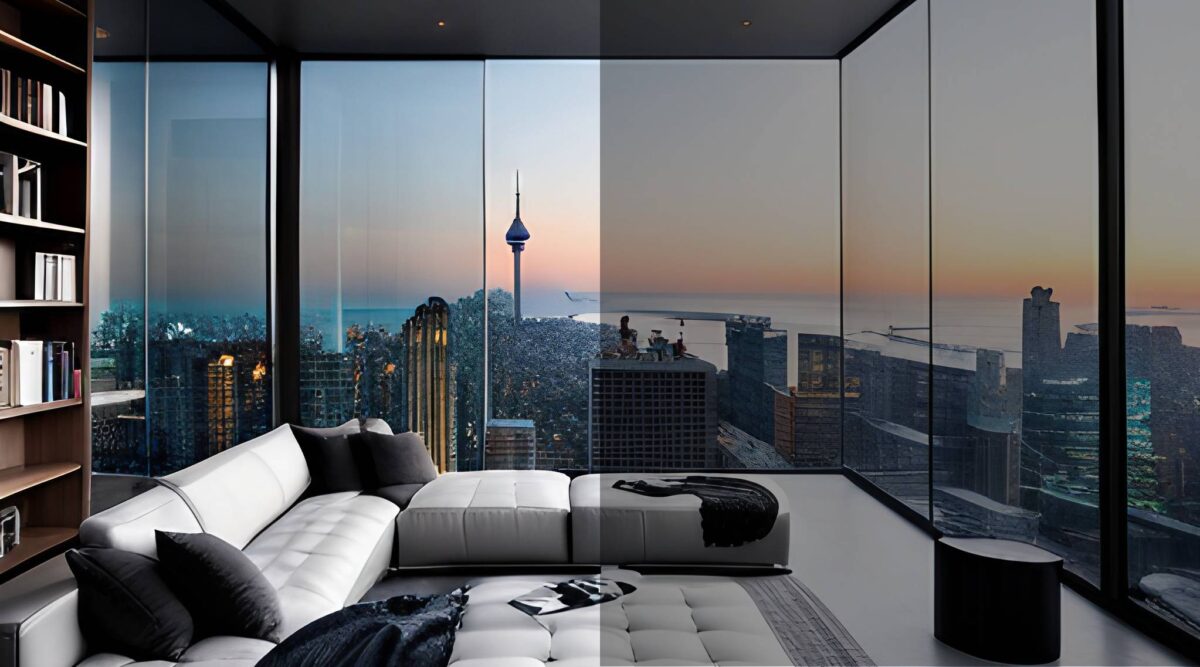
In real GTA installs, indoor temps often drop by 3 to 5 degrees. AC systems cycle less. Rooms feel more stable.
Window films also block most UV rays. The Skin Cancer Foundation confirms UV exposure happens indoors through untreated glass. This helps protect floors, furniture, and displays.
Privacy with Window Films Without Dark Rooms
Privacy is one of the main reasons people choose window films in Toronto.
Many GTA neighbourhoods sit close to sidewalks. Curtains block light. Blinds make rooms feel closed in. Privacy window films let light in while limiting outside views.
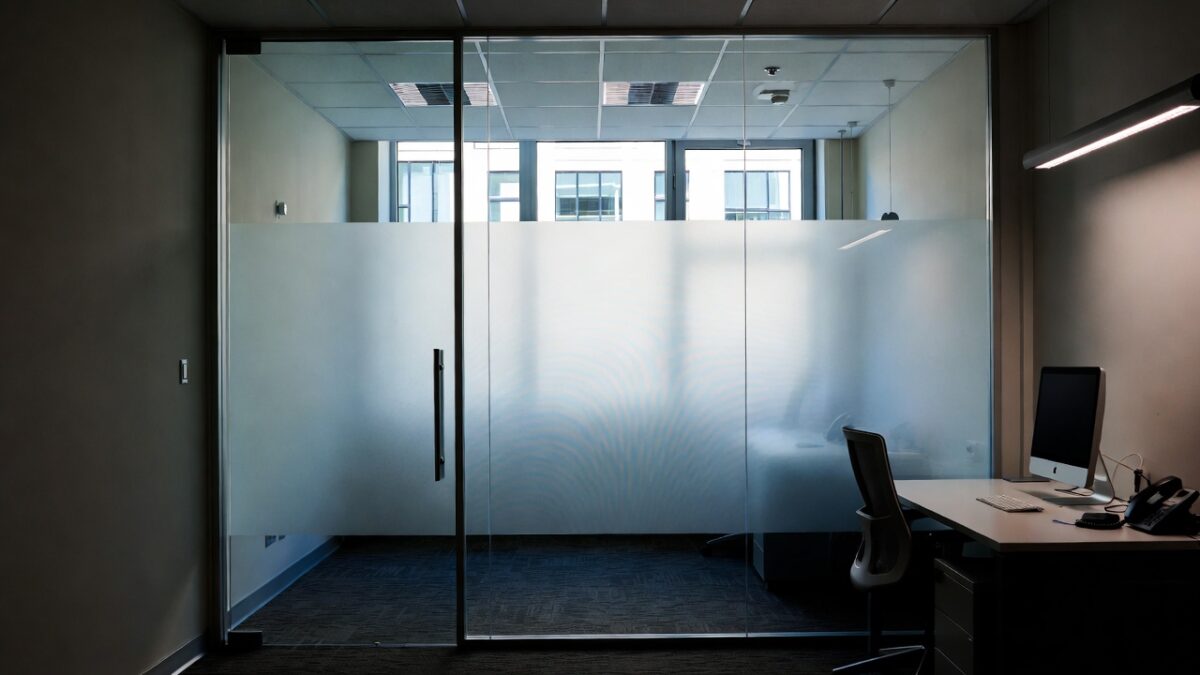
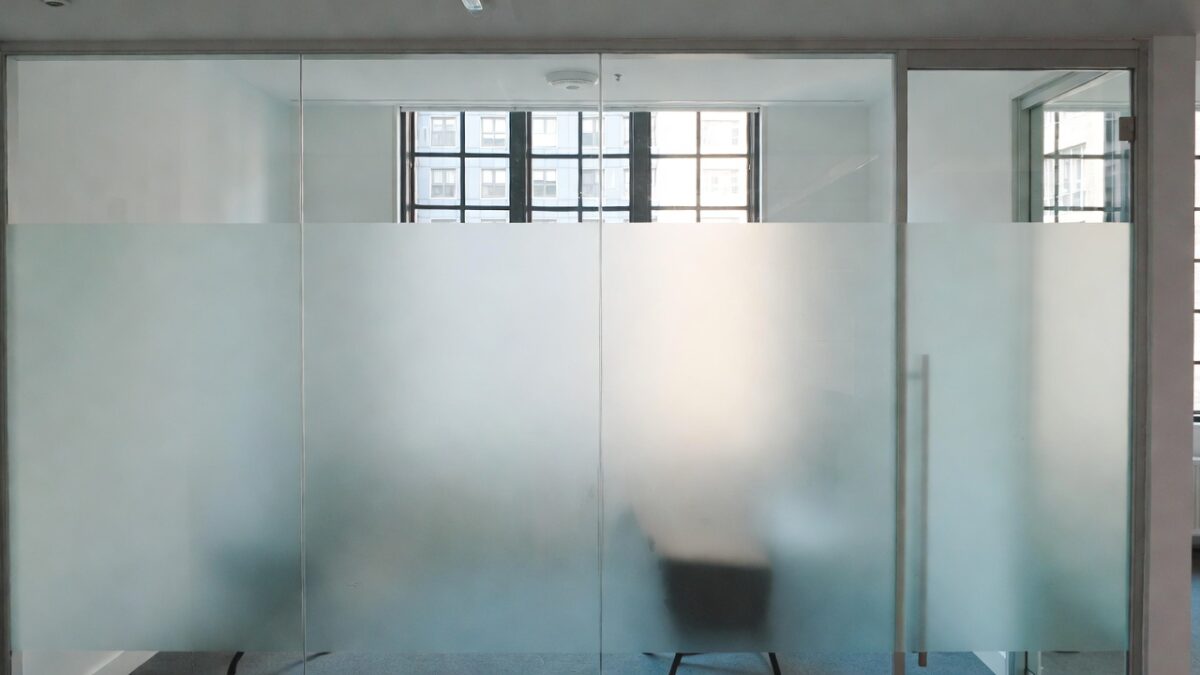
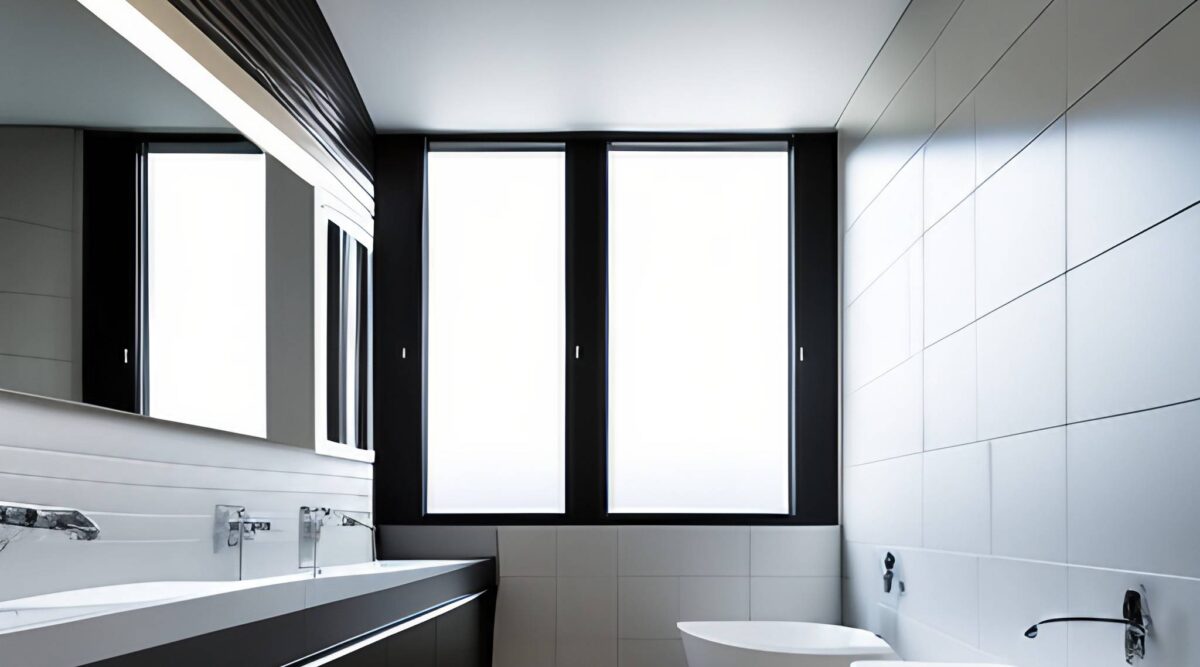
Homes in The Junction and parts of Scarborough often use lighter privacy films on front windows. Offices use patterned or frosted films for meeting rooms.
If privacy is the main goal, this guide on privacy window films shows how different films affect visibility.
How Window Film Quotes Are Usually Given
Most professional installers will not give a firm price without seeing the glass. That is normal.
A proper quote usually includes:
- Film type and brand
- Total square footage
- Install access details
- Warranty coverage
Be careful with pricing given without measurements. Cheap installs often lead to bubbles, peeling edges, or colour shift later. Fixing poor work costs more.
If you are weighing DIY kits against hiring a pro, this article on DIY vs professional window film installation explains where problems usually start.
Choosing a Window Film Installer in Toronto and the GTA
Local experience matters with window films. GTA buildings vary by age, glass type, and rules.
Installers who work locally know condo policies, older glass limits, and seasonal install timing. That saves time and avoids mistakes.
If you are comparing services, this overview of professional window film installation explains what to look for beyond price.
Final Thoughts on Window Films and Installation Costs
Window films are not priced by square footage alone. The building, the glass, and the goal all matter.
For Toronto and GTA homes and businesses, window films are a common way to manage heat, glare, privacy, and energy use without replacing windows.
If you are collecting quotes, ask clear questions. If answers feel rushed or unclear, trust that feeling.
Good window film installs start with clear info. That keeps results solid years later.